Automate Mortgage Platform
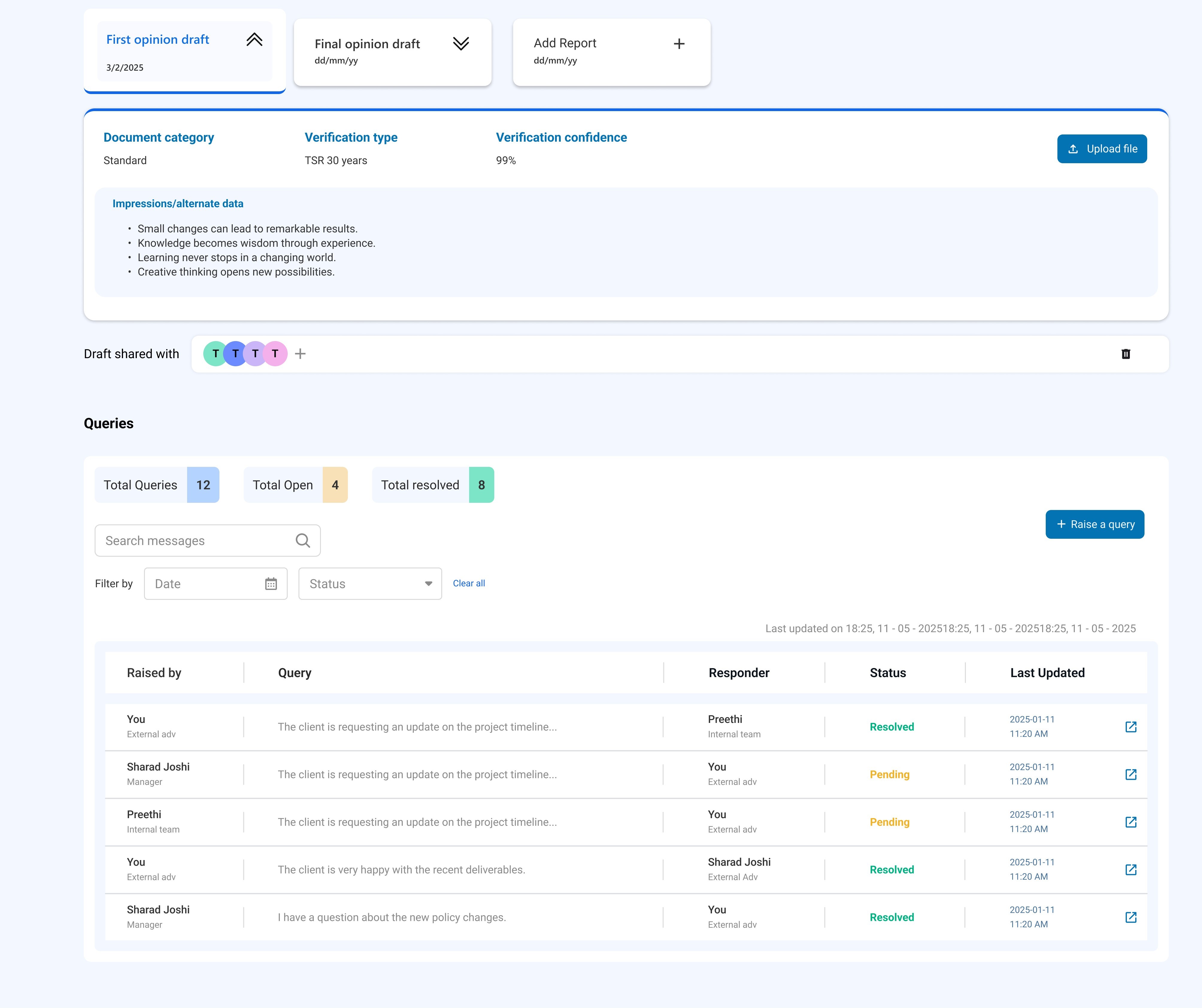
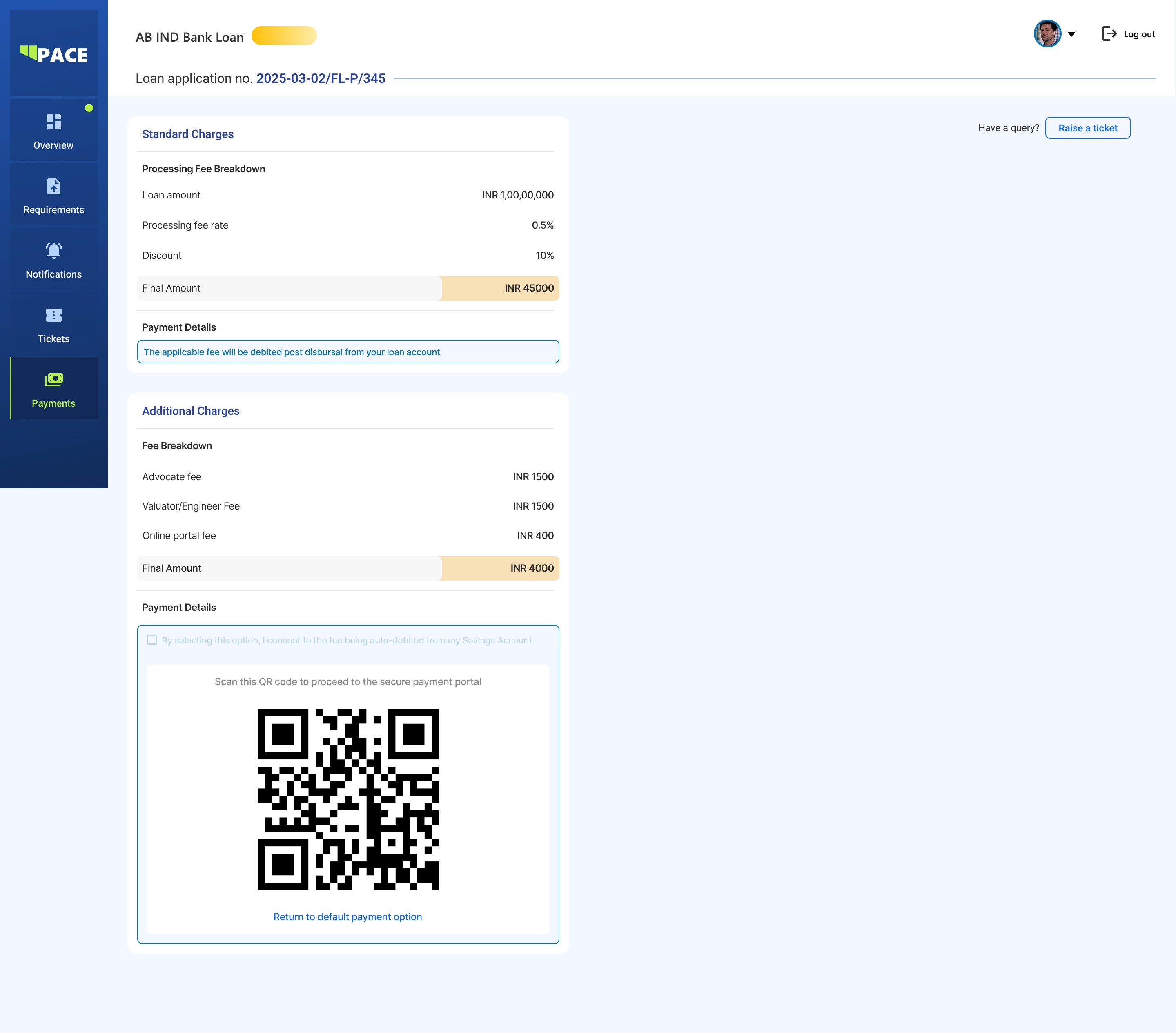
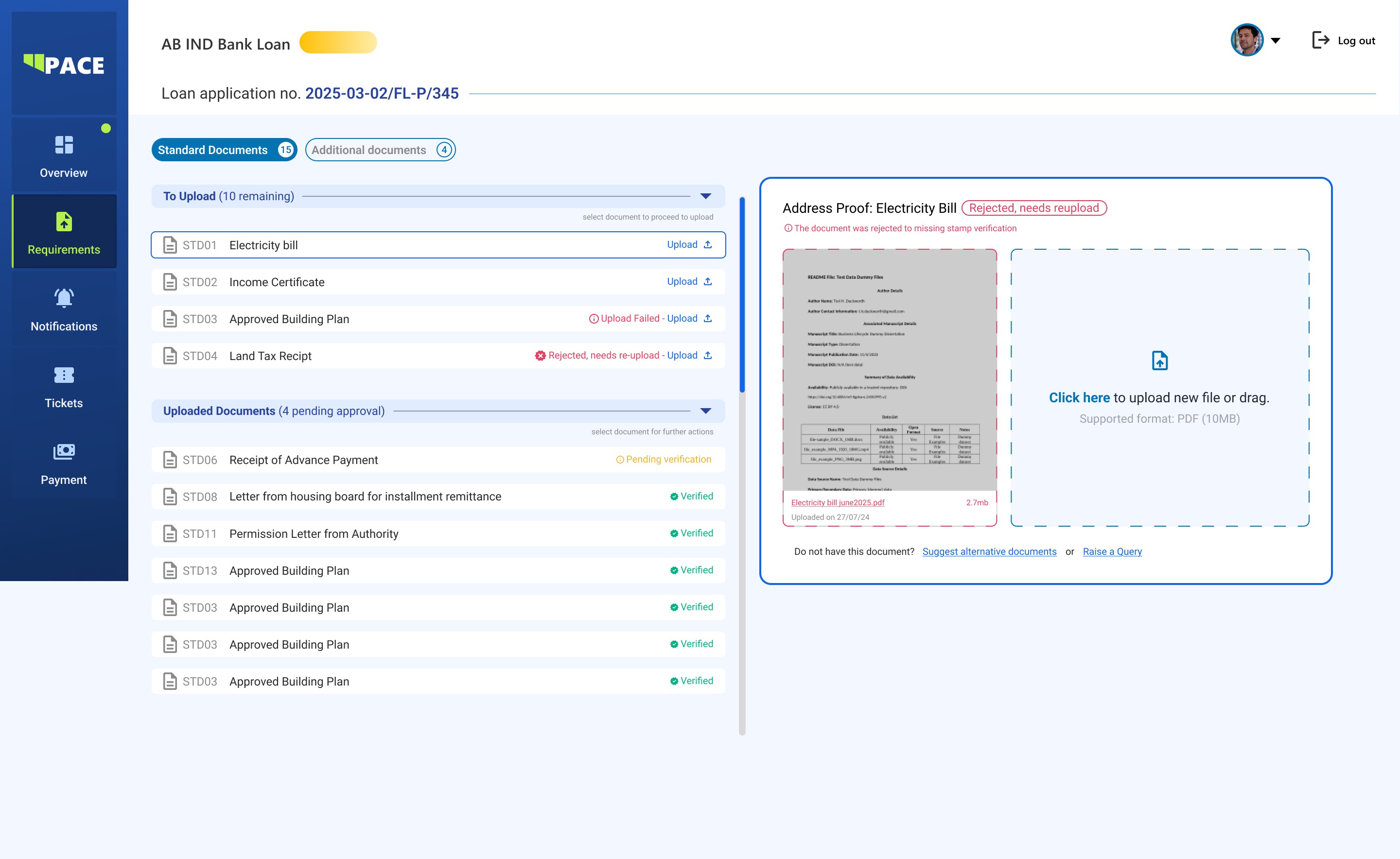
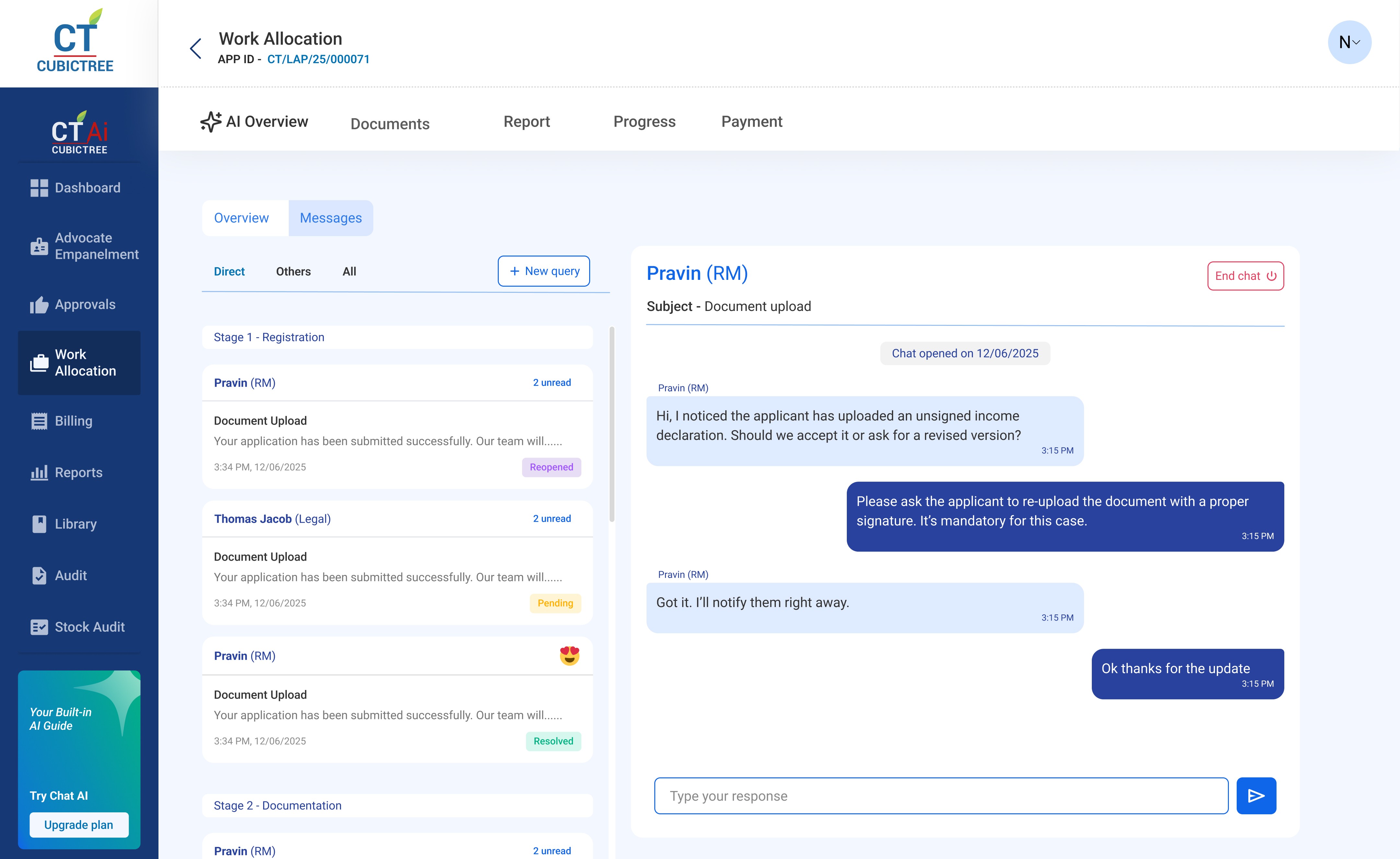
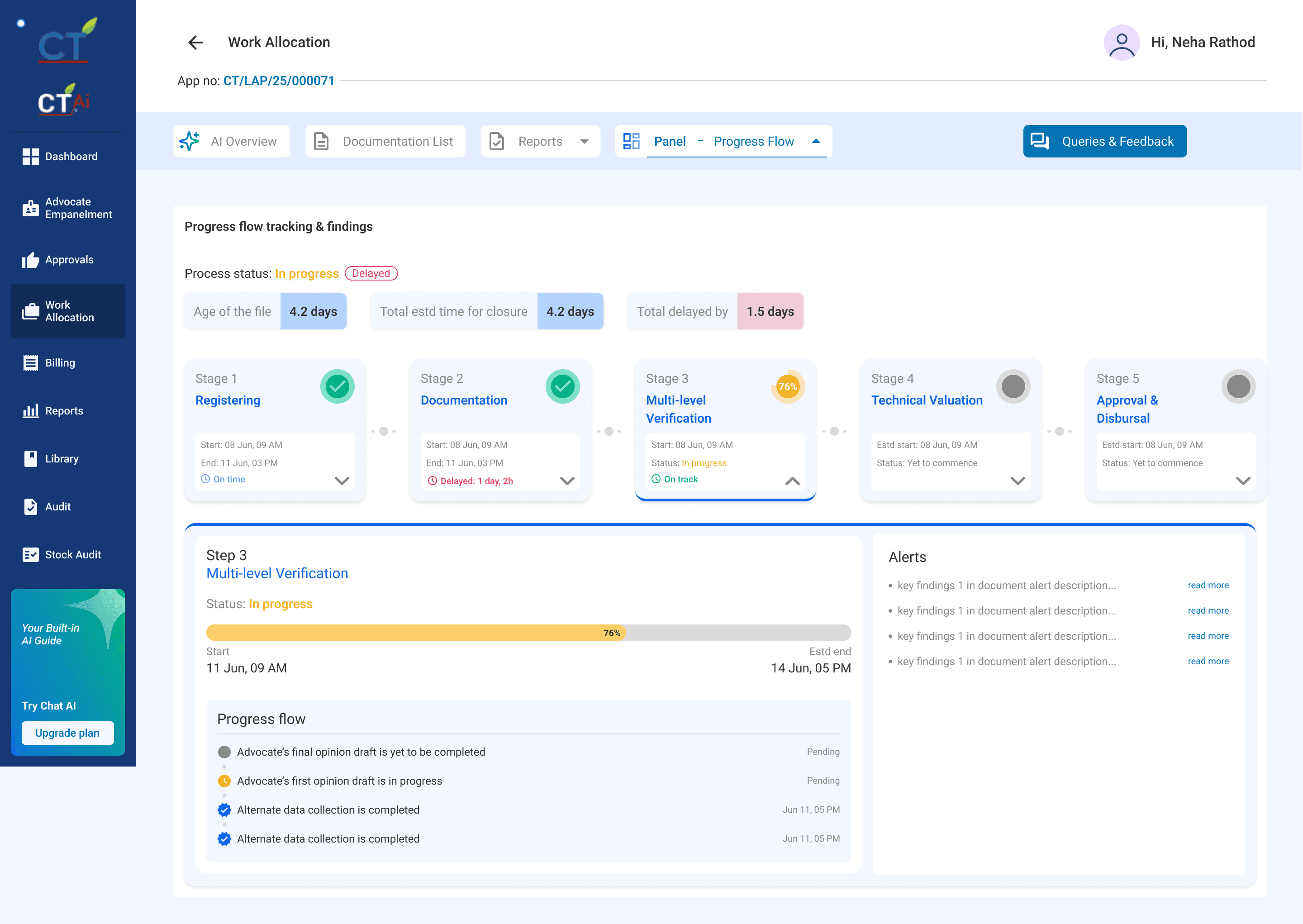
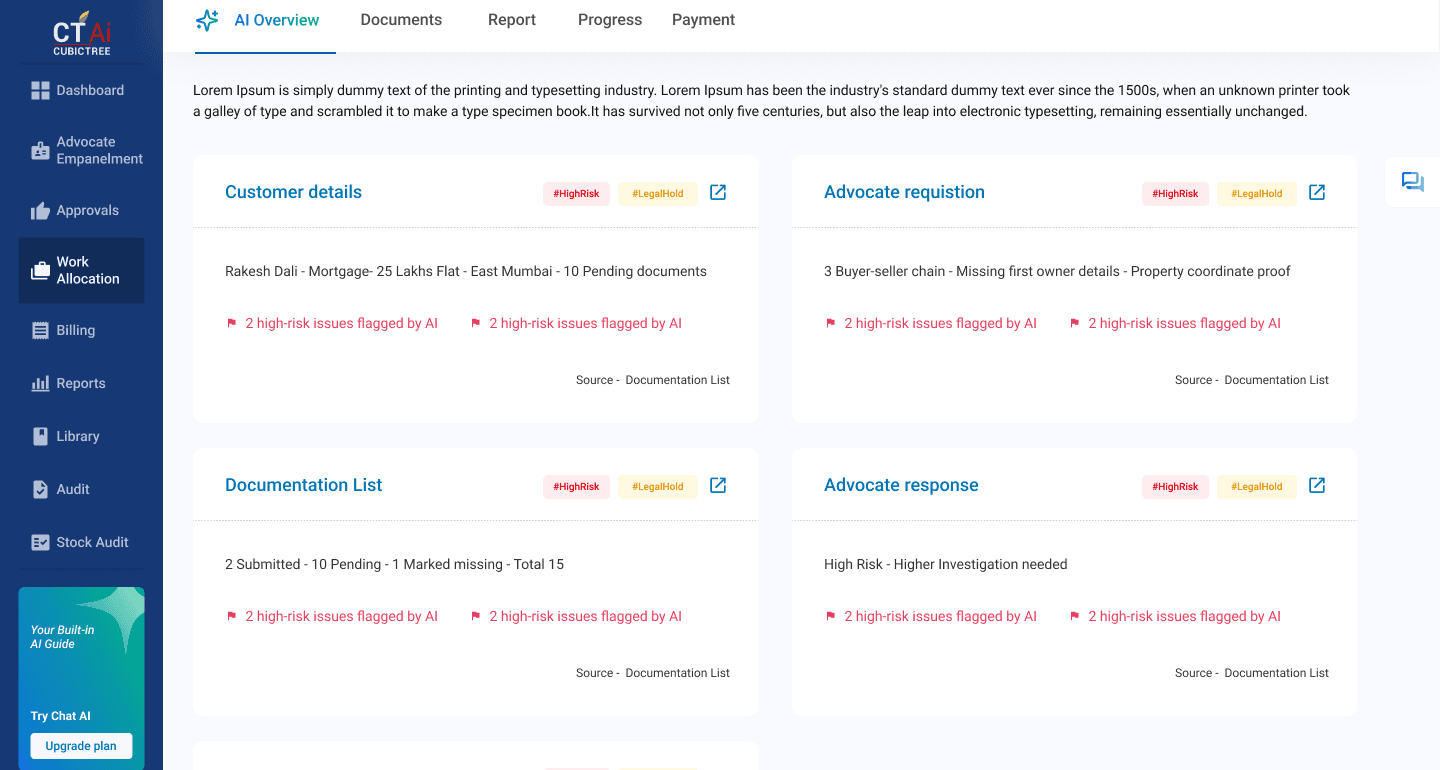
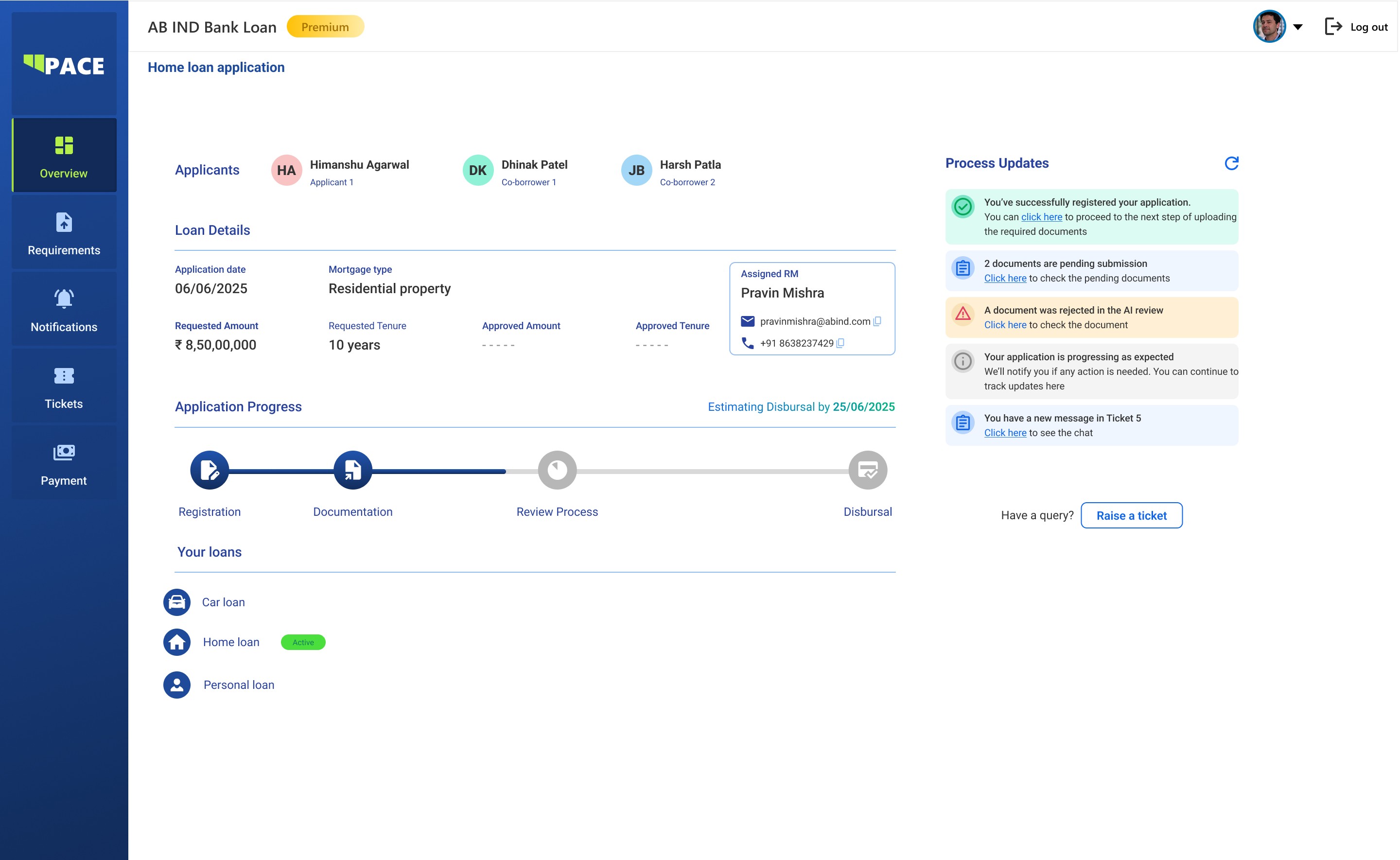
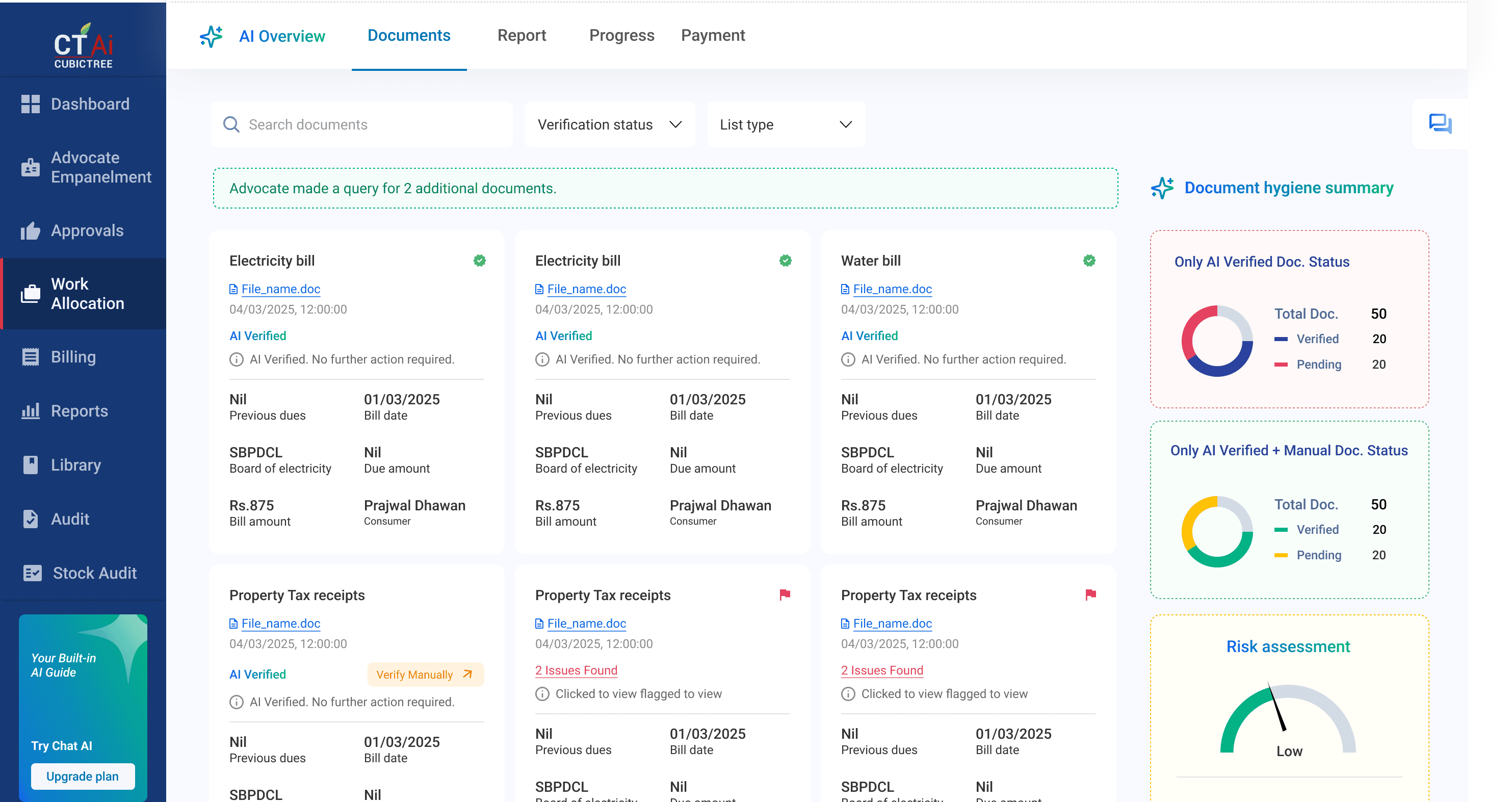
CT-MAP is an end-to-end digital platform designed for AB Bank to streamline loan origination. The platform unifies three distinct stakeholder groups — Bank Managers, Customers, and Legal Advocates — onto a single AI-augmented workflow system, replacing fragmented communication with real-time, role-specific portals.
ROLE
PROBLEM
Loan processing at AB Bank was broken across three disconnected parties customers, relationship managers, and legal advocates. This caused delays, verification bottlenecks, and zero real-time visibility into application status. No single source of truth existed for documents, payments, or communication.
RESULTS
Reduced follow-ups by ~60%, unified 3 stakeholder portals in real time and cut manual verification effort with AI-assisted review. Delivering a faster, more transparent loan process.
Understanding the Pain Points
Bank managers had no consolidated view of team workload or application timelines
Customers navigated a jargon-heavy process with no progress transparency
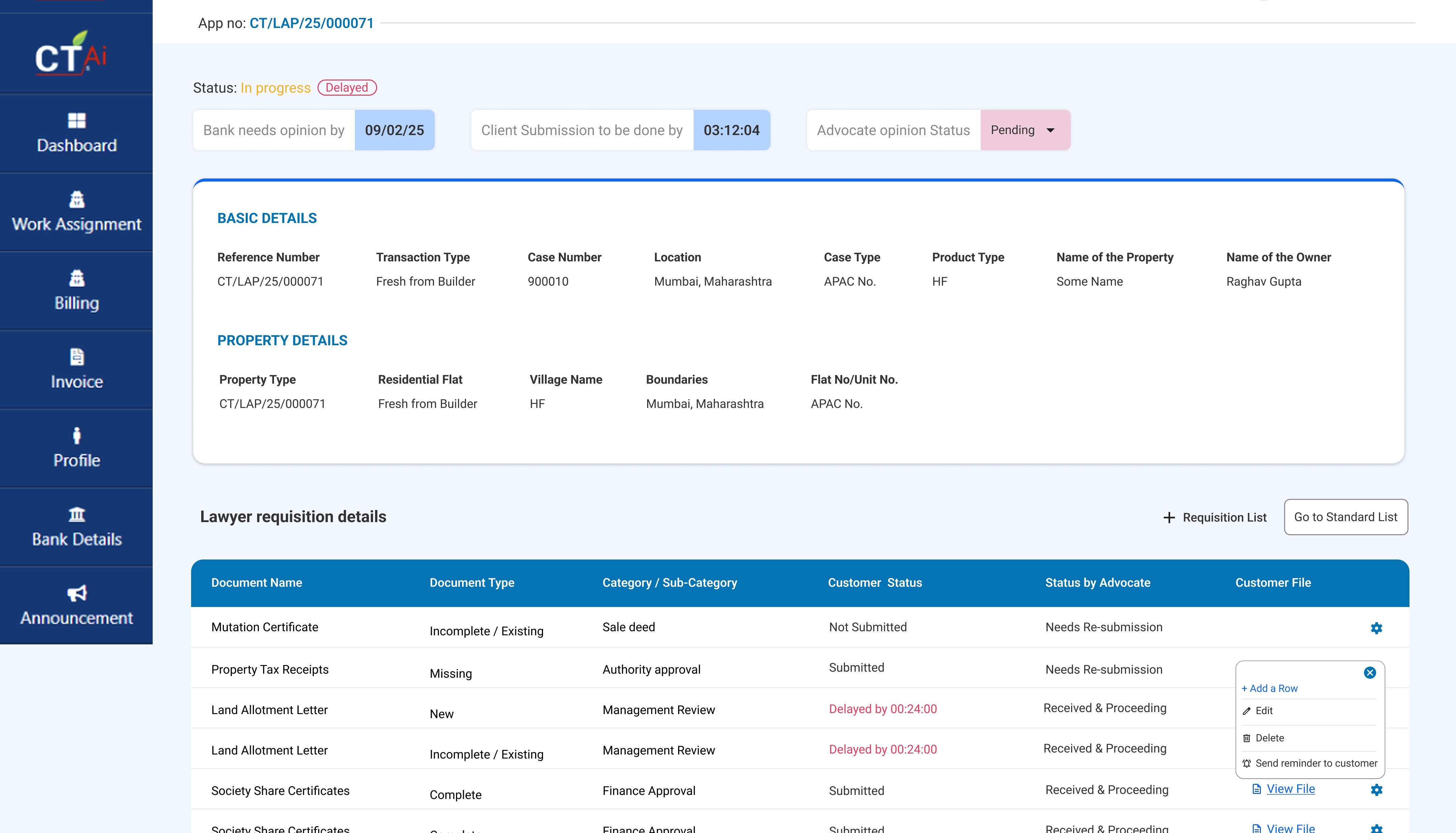
Advocates lacked a structured system for requisition lists, legal opinions, and query resolution
Communication between all three parties was unstructured and scattered across channels
Designing with Intent
A research-first approach guided every design decision across CT-MAP's three portals.
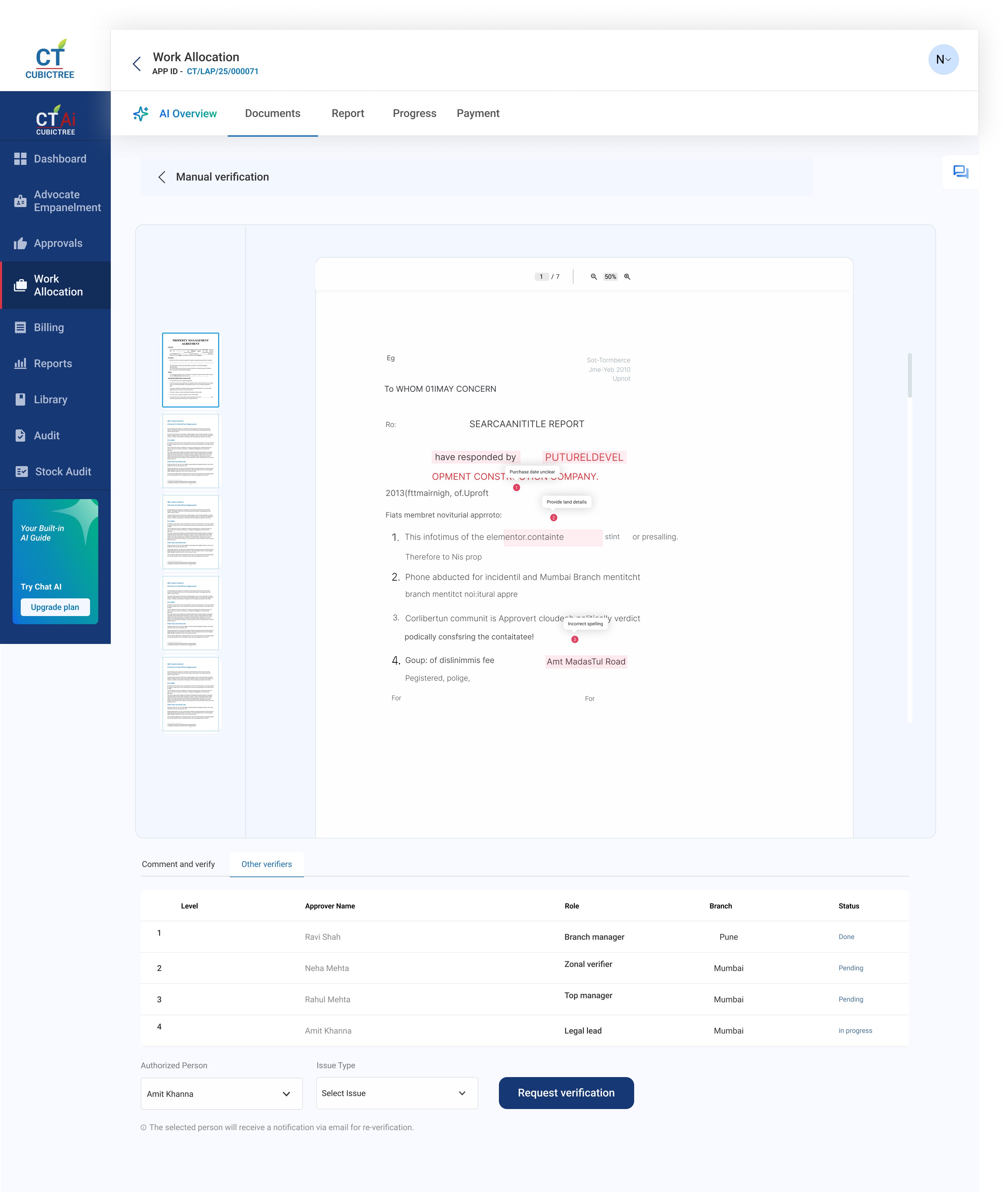
SME interviews revealed pain points across all stakeholder roles. Competitor audits informed document management and dashboard patterns. Affinity mapping clustered insights into three core problem areas — verification, communication, and visibility. Progressive disclosure reduced cognitive load for first-time digital users, while close alignment with business needs shaped decisions around compliance, AI integration, and confidentiality.

In Conclusion
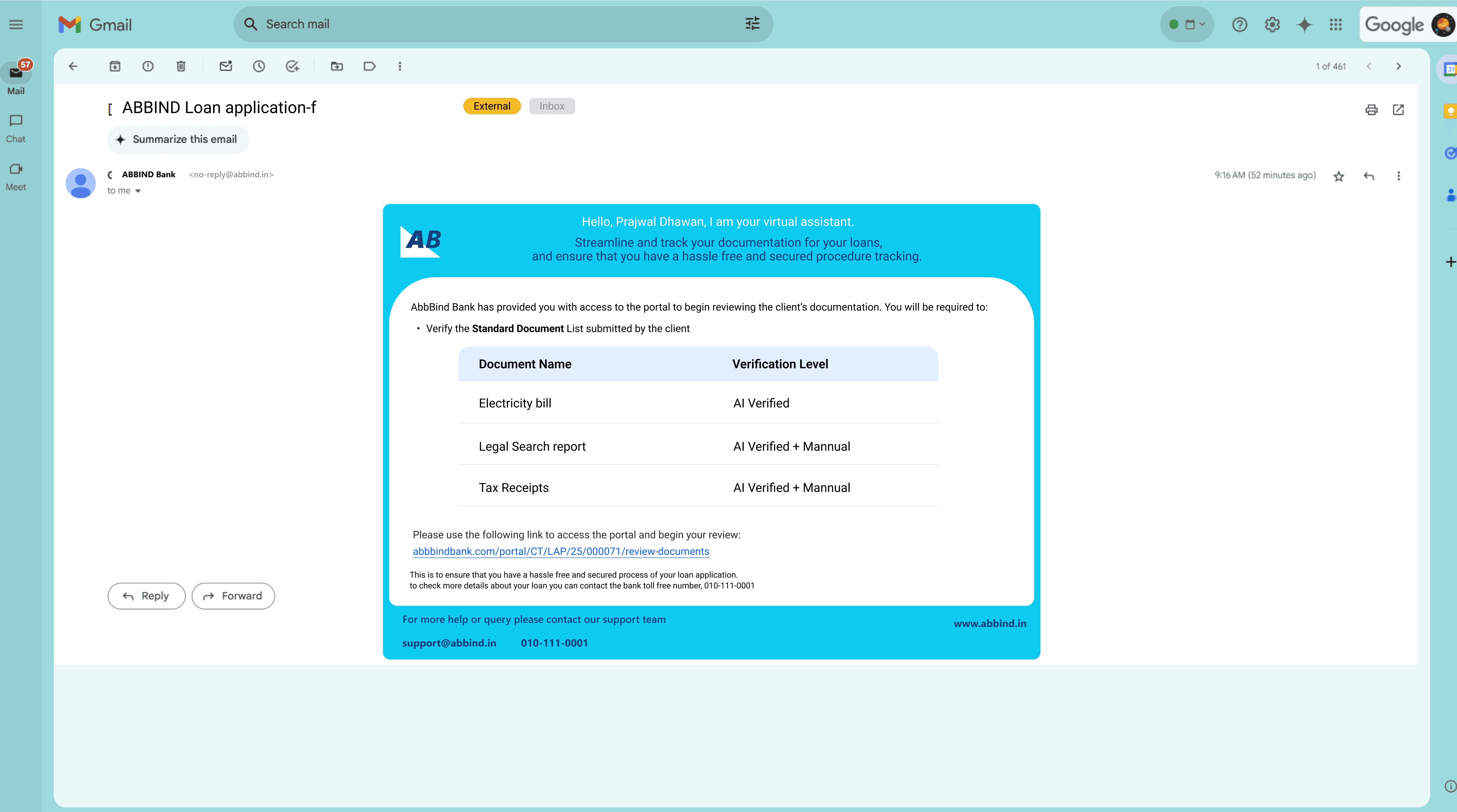
CT-MAP proved that complex multi-stakeholder systems can be made intuitive without sacrificing depth. The biggest challenge was not designing each portal individually, but ensuring actions in one portal triggered the right response in another. Designing for three user types with conflicting needs taught me that clarity is an architectural decision as much as a visual one. It also deepened my understanding of positioning AI as a trust-building layer, explainable, feedback-driven, and always human-supervised in high-stakes legal and financial contexts.